June 10, 2026
Creating a beautiful space requires vision. Ideas begin as abstract concepts sketched on notepads. Translating those concepts into physical reality presents a challenge for interior designers and hobbyists alike. The transition from pure imagination to a cohesive room demands the right materials. This is where local fabric stores step in to bridge the gap between ambitious dreams and tangible reality.
Brick-and-mortar shops provide an immersive environment that online shopping cannot replicate. Computer screens distort colors and flatten rich textures, leaving creators guessing about the outcome of their projects. Stepping inside a physical shop surrounds a person with endless possibilities. Aisles are filled with heavy bolts of textiles waiting to become custom drapery, tailored upholstery, or accent pillows. This tangible experience is essential for executing any design with precision.
Fostering Inspiration Through Tactile Experiences
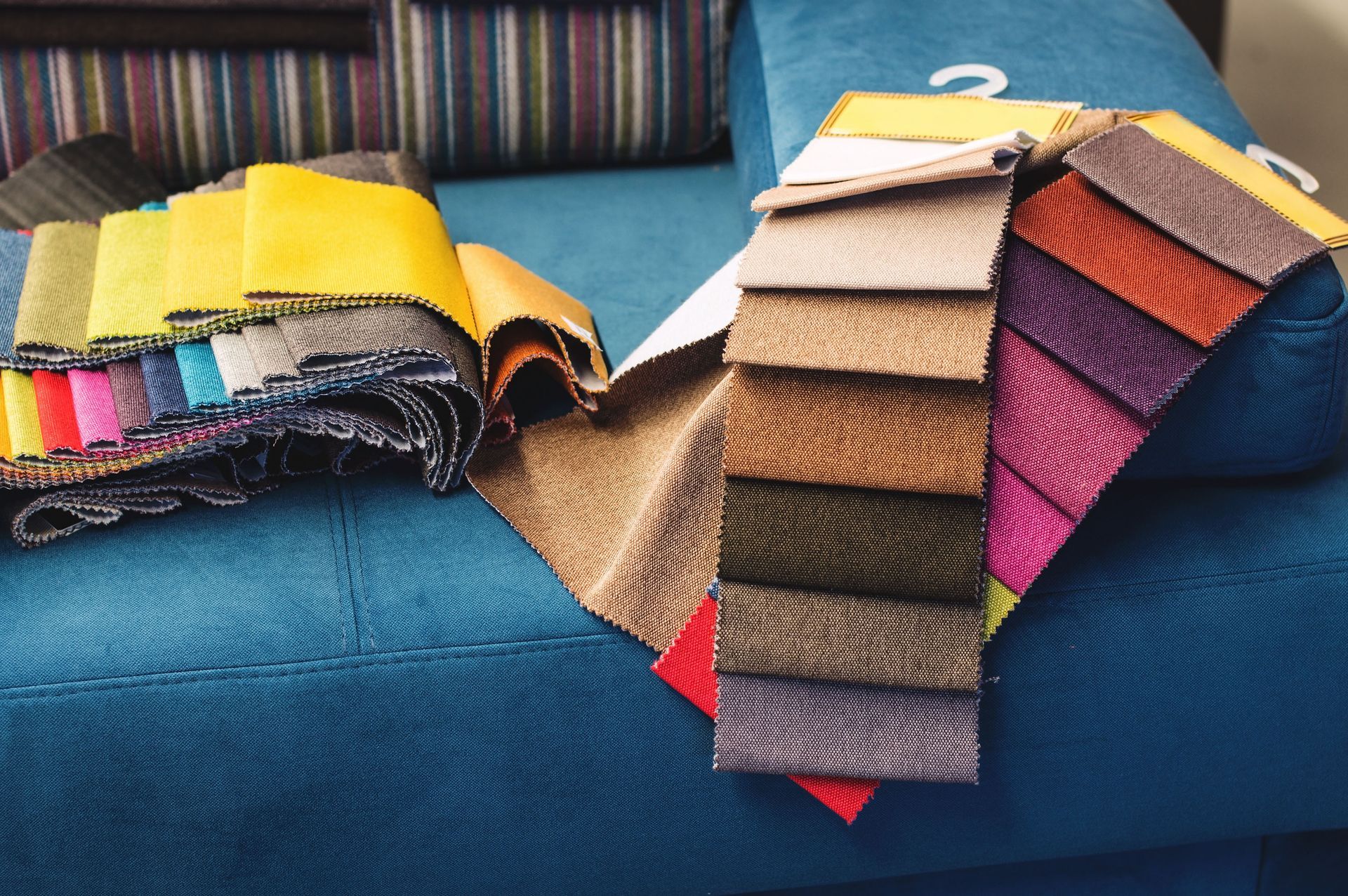
The sense of touch plays a paramount role in decoration. A photograph cannot convey the weight of velvet or the crisp feel of linen. Running fingers across a woven textile reveals its true character and natural drape. This physical interaction ensures the chosen material matches the intended purpose. Evaluating a textile is a mandatory step in the creative process.
Ambient lighting alters how colors appear. Monitors illuminate digital images with artificial backlights, which skew hues and tones. In a physical shop, creators take bolts to a window to examine them under natural sunlight. This vital verification prevents disappointing color mismatches when the material arrives at the project site. Perceiving the correct shade is crucial for harmonizing with existing paint colors.
Pattern scale poses another monumental challenge for remote digital browsing. A floral print might look delicate on a mobile screen but prove overwhelming in reality. Holding the physical material against a large piece of furniture clarifies visual proportions. The dedicated staff at local fabric stores encourage unrolling massive bolts to visualize the impact of a large pattern repeat in a spacious room. This exercise provides a realistic preview of the aesthetic.
Inspiration strikes without warning when browsing organized aisles. A designer might enter looking for solid cotton but leave with an intricate brocade that redefines the entire room. The sheer volume of visible options sparks boundless creativity. Serendipitous discoveries happen when contrasting textiles are displayed together in a physical space. Mixing different textures side-by-side allows an organic design scheme to emerge without premeditation.
Cultivating Community Through Expert Guidance
Selecting the right textile involves understanding weave durability, stain resistance, and long-term maintenance. Shop owners and dedicated employees possess invaluable knowledge about their unique inventory. They guide customers toward sturdy materials suitable for high-traffic living areas or delicate sheers for window treatments. This specialized expertise ensures the long-term survival of the final creation. Relying on knowledgeable professionals prevents the frustration of early wear on a custom furniture piece.
Inexperienced creators face technical hurdles during a sewing project. Measuring for a large upholstery job or calculating yardage for complex repeat matching can confuse a novice maker. The staff provides essential pattern-matching assistance and practical construction advice. They eliminate stressful guesswork, giving immense confidence to those tackling complex drapery endeavors. This mentoring transforms intimidating design challenges into achievable weekend tasks for homeowners.
These neighborhood shops serve as bustling gathering places for passionate makers and professional designers. Frequent customers strike up engaging conversations while waiting at the busy cutting table. They share innovative ideas, recommend specific sewing techniques, and offer much-needed encouragement for difficult projects. Independent local fabric stores foster this deep sense of belonging among creative individuals. A vibrant community of artisans forms around the shared love of interior decoration.
Many brick-and-mortar shops host interactive workshops to teach essential sewing skills. Eager beginners learn basic stitching techniques, while advanced creators master intricate drapery pleating or welt cord installation. These educational events build a supportive, active local network. The collective knowledge shared within these welcoming walls empowers individuals to tackle more ambitious design goals. Learning in a group setting accelerates skill acquisition and builds lasting friendships among neighborhood residents.
Discovering Quality Through Unique Selections
Mass-market corporate retailers stock generic materials to appeal to broad mainstream audiences. Independent shops take a refreshing approach by curating distinct, specific inventories. Astute buyers for these businesses source gorgeous items from niche international mills and small independent designers. This intense dedication to variety ensures finished interior projects stand out with an exclusive aesthetic. Shoppers avoid cookie-cutter designs by utilizing materials unavailable at giant chain stores.
Discerning homeowners desire premium materials for their intimate living spaces. A deliberate shift toward luxurious textiles elevates the entire atmosphere of a standard room. Shoppers seek out lustrous silks, heavy textured bouclés, and intricate woven jacquards to make a bold visual statement. The consumer demand for these exceptional goods continues to expand. Investing in superior raw materials guarantees a spectacular finished product that commands immediate visual attention.
According to Transparency Market Research, fueled by increased spending on interior decoration and a growing preference for eco-friendly materials, the worldwide textile home decor market is expected to expand to $146.9 billion by 2031. This rapid growth reflects a deep consumer desire for premium home furnishings. Every day, people are investing immense capital in creating beautiful sanctuaries. Quality textiles sit at the heart of this movement.
Sourcing rare vintage textiles gives a room an unparalleled character. Unused vintage yardage or untouched deadstock materials add a profound sense of history to a sleek contemporary space. Passionate designers frequent local fabric stores to hunt for these elusive hidden treasures. Securing a limited-run floral print or a discontinued geometric pattern guarantees an absolutely unique design outcome. These rare finds become the focal point of any thoughtful interior design scheme.
Promoting Sustainability Through Conscious Choices
The global design industry faces increasing consumer pressure to adopt eco-friendly practices. Modern buyers want to know how their chosen materials are produced, dyed, and distributed. Shopping at a neighborhood business reduces the heavy carbon footprint associated with shipping individual online orders across the country. Consolidating large freight deliveries to a central retail location is a sensible logistical model. Supporting local commerce decreases unnecessary packaging waste and transportation emissions.
Independent neighborhood retailers prioritize organic and ethically manufactured woven goods. They stock innovative materials made from fast-growing bamboo, durable hemp, or recycled synthetic fibers. These specific options appeal to environmentally conscious decorators and homeowners. Offering these green alternatives aligns with the growing societal desire to protect vital natural resources. Utilizing eco-conscious textiles ensures a beautiful home environment does not come at the expense of global ecological health.
Strict waste reduction is another crucial aspect of modern sustainable interior design. Big-box online retailers enforce minimum purchase requirements, leaving creators with unnecessary excess material. At independent local fabric stores, customers buy the exact required yardage needed for a specific project. This exact precision prevents unused textiles from ending up in municipal landfills. Purchasing only the necessary amount is both an economic and environmental victory.
Investing in sturdy materials promotes a sustainable culture of long-term longevity. Cheap, flimsy synthetic items degrade in short order and require regular costly replacement. A well-crafted heavy linen sofa cover endures years of daily use and develops a beautiful soft patina over time. Emphasizing extreme durability over cheap disposable decor strengthens environmental conservation. Creating lasting home goods reduces the endless cycle of rapid consumption and thoughtless disposal.
Bringing a complex design idea to life requires more than just a fleeting thought. It demands profound sensory exploration, professional advice, and immediate access to premium materials. The exciting journey from a rough conceptual sketch to a fully completed room is paved with careful, deliberate decisions. Independent local fabric stores provide the essential physical resources needed to navigate this entire creative process. They serve as the foundational backbone for breathtaking interior transformations.
Stepping away from the glowing computer screen revitalizes the entire design experience. Engaging with raw materials in a tangible, physical way guarantees a superior final product. Creators who lean on neighborhood shops find their finished projects elevated by unparalleled material quality and expert support. Embracing these vital community hubs ensures every bold design vision achieves its fullest, most magnificent potential. The ultimate realization of a dream home begins with a simple visit to the cutting counter. Stop by Rainbow Paint & Decorating to experience the premium materials and hands-on guidance that local fabric stores offer. Let our knowledgeable staff help you transform your design vision into a beautiful reality.